
Common Ethical Issues in Usability Testing
Explore the ethical challenges in usability testing, including consent, privacy, and the treatment of vulnerable populations.

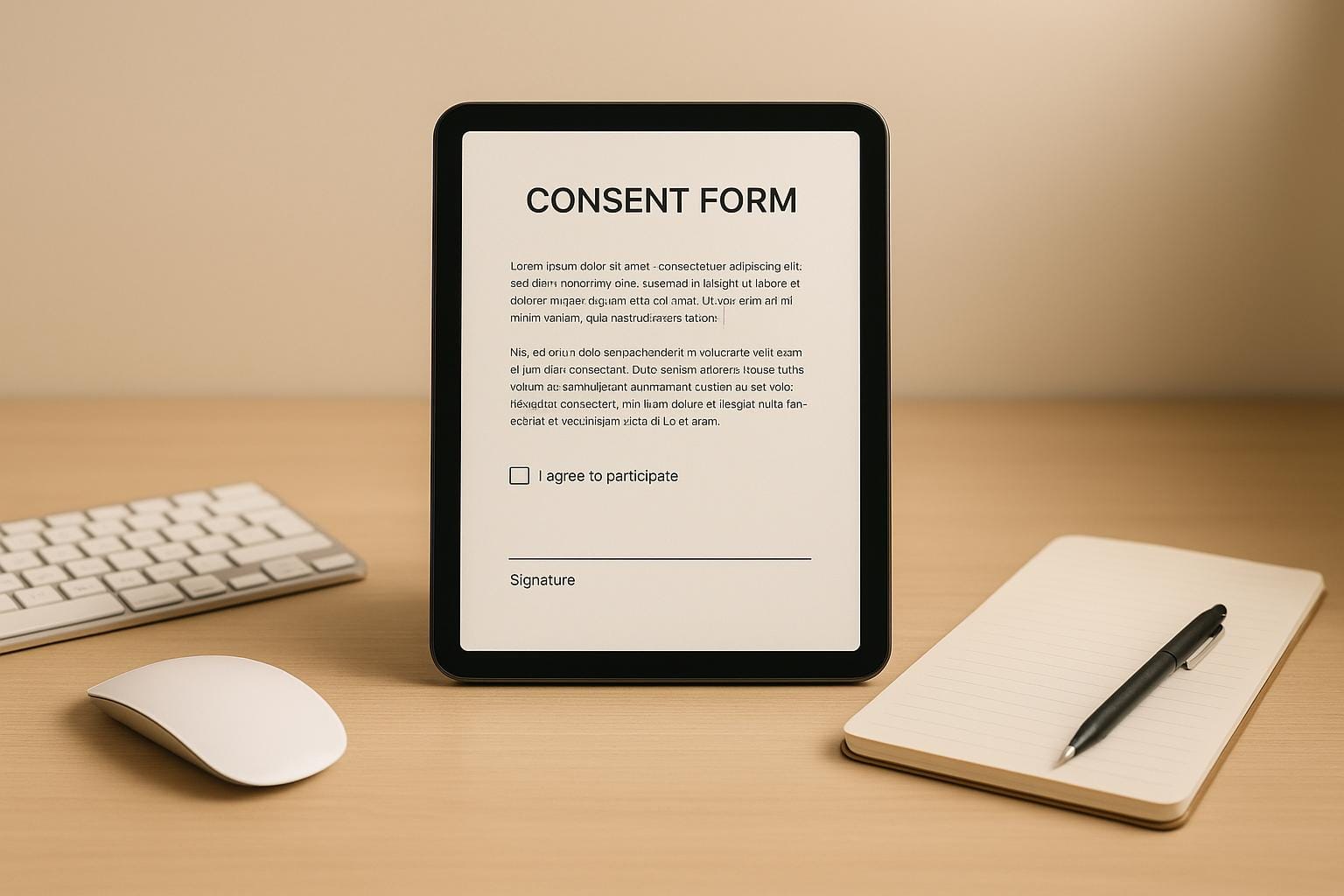
Ethics in usability testing is about protecting participants' rights, ensuring their comfort, and maintaining trust. Ignoring ethics can lead to legal issues, damaged credibility, and unreliable data. Here are the key points you need to know:
- Informed Consent: Participants often misunderstand testing purposes. Simplify consent forms with plain language, provide verbal explanations, and check their understanding.
- Privacy: Mishandling data, like sharing recordings accidentally, can breach trust. Use encryption, anonymize data, and limit access to sensitive information.
- Vulnerable Populations: Groups like children or older adults require extra care. Use tailored consent methods, provide accommodations, and ensure their rights and privacy are respected.
- Withdrawal Rights: Participants must feel free to leave at any time. Clearly communicate this, minimize observer pressure, and train teams to handle discomfort.
- Deception: Avoid misleading participants unless absolutely necessary, and always debrief them afterward.
- Handling Sensitive Topics: Be prepared for emotional responses. Train moderators, offer support resources, and allow participants to skip tasks if needed.
- Team Training: Ethical lapses often stem from inadequate training. Equip your team with knowledge on consent, privacy, and handling sensitive situations.
Informed Consent and Transparency
Getting proper consent isn't just about having participants sign a form; it's about ensuring they truly understand what they're agreeing to. Unfortunately, many usability professionals assume a signature equals full comprehension, but that’s often not the case. Let’s dive into key challenges and practical solutions for improving informed consent.
Challenges with Participant Understanding
One of the biggest issues is that participants often misunderstand what usability testing actually involves. Many think they’re being evaluated on their intelligence or technical skills, rather than realizing it’s the product interface being tested. This misconception can lead to performance anxiety, making participants feel judged instead of valued.
Another common problem is a lack of clarity about how their actions and feedback will be recorded and shared. Participants might not realize that multiple stakeholders could be watching live or that their data might be stored and shared across teams. Adding to this confusion, consent forms often include dense legal language that’s hard to follow. Research shows that as many as 40% of participants struggle to fully understand consent forms without further explanation - especially when jargon takes the place of plain, straightforward language. When participants don’t know what they’re agreeing to, the ethical integrity of the research is at risk.
Addressing these gaps is essential to ensure participants are fully informed and comfortable.
Solutions for Clear Consent Protocols
A simple yet effective fix is rewriting consent forms using everyday language. For instance, instead of saying, "Data will be utilized for analytical purposes", you could say, "We’ll use your feedback to make the website better". Cutting out the legal jargon and opting for conversational phrasing makes it much easier for participants to understand.
Verbal explanations are just as important. Before starting a session, briefly outline the purpose of the study. Make it clear what’s being tested, who might be observing, and how the collected information will be used. Following advice from the Nielsen Norman Group, always remind participants that they can stop at any time, no questions asked.
Encouraging questions throughout the process is another way to promote understanding. Instead of waiting until the end of the consent process to ask, "Do you have any questions?" pause after explaining each major point. Check for understanding with prompts like, "Does that make sense?"
Comprehension checks can also make a big difference. For example, ask participants to explain the study’s purpose in their own words or describe what will happen to their data after the session. If they can’t clearly articulate these basics, take the time to clarify before moving forward.
When recording sessions, transparency about data handling is critical. Let participants know who will have access to the recordings, where they’ll be stored, and when they’ll be deleted. If you plan to create highlight reels or share clips with stakeholders, be upfront about this so participants are fully aware of how their information might be used.
Interactive digital tools can also be a great way to simplify consent explanations.
Above all, treat consent as an ongoing conversation, not a one-and-done checkbox. Throughout the session, remind participants of their rights - especially their ability to withdraw at any time without penalty. This continuous dialogue builds trust and ensures their participation remains voluntary from start to finish.
Protecting Vulnerable Populations
When working with vulnerable groups, such as children, individuals with disabilities, or older adults, extra care is essential to ensure ethical practices. These groups often face unique risks, making it critical to implement additional safeguards to protect their well-being during usability testing. Transparent consent is just the starting point - engaging with these populations requires a deeper commitment to ethical responsibility.
Ethical Challenges with Vulnerable Groups
The primary concern when involving vulnerable populations is the risk of unintentional harm or exploitation. These participants might struggle to fully understand what participation entails or feel pressured to comply, even if they're uncomfortable.
Take children, for instance. They often lack the ability to grasp how their data will be used or may feel obligated to go along with researchers to please them. Similarly, individuals with cognitive disabilities might find it difficult to process consent information or recognize their right to withdraw from a study. These scenarios underscore how easily ethical boundaries can be crossed without proper safeguards.
Another challenge is the potential for psychological distress or reinforcing stereotypes. Participants with disabilities might feel judged if testing methods aren't adapted to their needs, while older adults could experience anxiety if they perceive the session as a test of their cognitive abilities rather than a product evaluation.
Privacy concerns are heightened as well. Vulnerable groups might face severe consequences if their personal data is mishandled or their participation becomes public knowledge. The inherent power imbalance between researchers and these participants can make it difficult for them to voice concerns or opt out of specific aspects of the study.
Best Practices for Ethical Engagement
To address these challenges, it's essential to adopt practices that prioritize the safety and comfort of vulnerable participants.
- Tailored informed consent: Go beyond standard forms to ensure participants understand what they're agreeing to. Use age-appropriate language and formats, such as child-friendly explanations or visual aids for those with cognitive challenges. Parental consent is often necessary when working with children.
- Emphasize voluntary participation: Vulnerable individuals may feel obligated to comply with authority figures. Regularly remind participants that they can withdraw at any time, without any repercussions.
- Provide accommodations: Adapt testing procedures to meet participants' needs. This might involve assistive technologies, alternative formats, or modified testing environments to eliminate unnecessary barriers.
- Strengthen data protection: Use strict anonymization methods, limit access to sensitive information, and handle recordings or data with extra care. Vulnerable populations face greater risks if their privacy is compromised.
- Seek ethical oversight: For studies involving vulnerable groups, consider obtaining approval from an Institutional Review Board (IRB) or a similar ethical review body. This ensures your methods align with established standards and that risks are minimized, particularly in academic or healthcare settings.
- Train your team: Equip researchers and observers with specialized training to handle the unique needs of vulnerable participants. Even well-meaning team members can unintentionally cause discomfort without proper preparation. The Nielsen Norman Group stresses the importance of this training to prevent inadvertent harm.
- Plan for post-session support: After testing, debrief participants and provide resources or assistance if needed. This follow-up care shows respect for their well-being and addresses any concerns that may arise.
For further guidance, resources like those from DeveloperUX offer valuable insights into ethical UX practices, helping researchers work respectfully and responsibly with diverse user groups. By taking these steps, you can create an environment where all participants feel safe and valued.
Participant Privacy and Data Protection
Keeping participant data safe is a cornerstone of ethical usability testing. It’s not just about ticking compliance boxes - it’s about earning trust and ensuring sensitive information stays secure. When participants agree to take part in usability studies, they often share personal behaviors, opinions, and details that could identify them or cause harm if mishandled.
Risks of Data Mismanagement
Mishandling data during usability testing can lead to serious consequences, far beyond just causing embarrassment. One of the most common issues is the accidental sharing of session recordings. For instance, a recording meant for internal use might mistakenly be sent to an external party, exposing sensitive information and breaching participant consent.
Data breaches can result in significant distress for participants, erode trust, and even lead to legal action or reputational damage. This is especially true when sensitive financial or health-related information is involved.
The risks are even higher in studies with small participant pools. Even anonymized data can sometimes be traced back to individuals in these cases, making re-identification a real concern.
Some common missteps include storing files on unsecured devices, failing to restrict access to sensitive recordings, and neglecting to properly anonymize data. For example, researchers might unintentionally create vulnerabilities by saving data on personal laptops or sharing files through unprotected channels.
On top of this, poor data handling protocols can worsen the situation. Without clear rules on how long to keep recordings, when to delete them, or how to securely transfer information to clients, research teams can make ad-hoc decisions that increase privacy risks.
To address these challenges, strong data management practices are essential.
Data Management Solutions
Effective data management starts with standardized protocols that cover every part of the process - from collection to disposal. Implement role-based access controls to ensure that only team members who need the data for analysis or reporting can access it.
Digital files should be encrypted, stored in password-protected systems, and backed up securely. Physical documents must be kept in locked storage, with retention periods clearly defined and automatic deletion set for when the data is no longer needed. Regular audits should ensure that access is secure and properly managed.
To protect participant identities, anonymize data by removing personally identifiable information and using participant codes. Only collect the personal details that are absolutely necessary. When sharing findings, always use aggregated data and avoid referencing individuals, particularly in studies with small sample sizes where re-identification risks are higher.
Secure data sharing is another critical step. Obtain explicit consent from participants before sharing their data with any third parties, and use encrypted file-sharing methods. Whenever possible, anonymize data before sharing and provide clients with confidentiality agreements to reinforce privacy standards.
Staying compliant with privacy laws like the California Consumer Privacy Act (CCPA) is non-negotiable for organizations in the United States. Instead of treating compliance as an afterthought, make it a built-in part of your research protocols.
Finally, train your team to handle data responsibly by using real-world scenarios. The User Experience Professionals Association (UXPA) Code of Conduct highlights the importance of respecting privacy, confidentiality, and anonymity while prioritizing participants' best interests.
Platforms like DeveloperUX offer helpful resources on ethical research practices and data protection. These tools can help teams stay up-to-date with evolving standards and implement secure protocols that safeguard participant privacy while maintaining the integrity of their research.
Voluntary Participation and Withdrawal Rights
Upholding ethical research practices means respecting participant autonomy at every stage. A fundamental part of this is ensuring participants understand they can leave a study at any time without facing any consequences. However, many participants feel stuck once a session begins - either because they don’t fully understand their rights or because subtle pressures make withdrawing feel difficult.
Challenges in Communicating Participant Rights
One common issue is that participants often feel obligated to stay, even when they’re uncomfortable or want to leave. Power dynamics play a significant role here. When researchers face pressure from stakeholders to keep participants engaged, it can unintentionally create an intimidating environment. The presence of multiple observers or recording equipment can further discourage participants from voicing their desire to exit.
Another challenge is unclear communication about withdrawal rights. Participants may assume they must complete the session to receive compensation, especially if payment details aren’t explained clearly upfront. Some even worry that leaving early could negatively impact the study itself.
When participants feel coerced or uneasy, the data they provide can become unreliable, compromising the study’s integrity and outcomes. To address these issues, researchers must prioritize clear communication and create an environment where participants feel empowered to make decisions.
Promoting Voluntary Participation
Ensuring participants understand their rights requires consistent, transparent communication throughout the research process. For example, the Nielsen Norman Group makes it a point to inform participants at the start of every session that they can leave at any time.
Using straightforward language during introductions can help set the tone. Phrases like "You can stop at any time for any reason, with no penalties" can make a big difference. It’s also important to outline how participants can withdraw - whether it’s as simple as stating their intention or following a specific process.
When observers are present, establish clear ground rules to minimize pressure. For example:
"There are some team members observing the study, but they will remain silent throughout. At the end of the session, I’ll check if they have any questions".
Allowing observers to ask questions only after the session reduces interruptions and helps participants feel more at ease. Moderators should also be trained to notice signs of discomfort or hesitation and be ready to offer breaks or remind participants of their right to withdraw.
It’s equally important to prepare study sponsors in advance. Let them know participants may leave early and that this is part of maintaining ethical research standards. Coercing participants isn’t just unethical - it may also be illegal. The User Experience Professionals Association (UXPA) Code of Conduct underscores the importance of acting in participants’ best interests, including respecting their autonomy and right to withdraw without repercussions.
For teams looking to refine their approach, resources from DeveloperUX provide practical guidance. Their materials help research teams implement processes that genuinely prioritize voluntary participation and participant well-being.
Deception and Concealment in Study Design
Researchers often face a tough decision: fully disclose study details or withhold certain information to avoid biasing results. This tension between being open and maintaining scientific rigor presents one of the trickiest ethical challenges in usability testing. Deception in such studies might include hiding the study's true purpose, creating artificial scenarios, or not informing participants that specific behaviors are being recorded or analyzed. These dilemmas add to broader ethical concerns like informed consent and data protection, discussed earlier.
Ethical Risks of Deception
The biggest danger of using deception is the potential to lose participant trust. When participants realize they've been misled - even for legitimate research purposes - they may feel manipulated. This loss of trust can ripple beyond individuals, damaging the reputation of entire research teams or organizations.
There are real-world examples where concealed methods have eroded trust. Even minor acts of deception can leave participants distressed and wary of volunteering for future studies. Negative experiences often resurface online, amplifying the reputational harm.
The Nielsen Norman Group highlights this issue:
Teams sometimes pressure researchers to lie to users, such as telling participants that no one else is observing when, in fact, observers are present. This is considered unethical and can erode participant trust.
Balancing Validity and Transparency
Given the risks, researchers must carefully balance the need for valid results with the importance of maintaining participant trust. If deception is deemed necessary, it should be minimal, applied only when absolutely unavoidable, and used as a last resort when no other methods can achieve valid results.
Before using deception, researchers should seek approval from an Institutional Review Board (IRB) or ethics committee. These bodies evaluate whether the deception is ethically justified and ensure protocols like thorough debriefings are in place.
One example shows the importance of sticking to ethical principles under pressure. In 2022, a UX research team at Nielsen Norman Group resisted stakeholder demands to mislead participants about remote observers during a usability test. Instead, they informed participants about the observers’ presence and purpose. This transparent approach preserved trust and led to more honest feedback.
When deception is used, researchers must conduct detailed debriefings to explain the study's real purpose, why deception was necessary, and participants' rights to withdraw their data. If the study involves sensitive topics or causes distress, researchers should also provide support resources.
There are ways to reduce reliance on deception while still ensuring valid results. For instance, instead of hiding the study’s true purpose, researchers could describe it as a general usability test. This approach minimizes bias without fully compromising transparency.
Organizations dedicated to ethical research should create clear guidelines and regularly train their teams. Bellomy Research emphasizes obtaining informed consent and clearly communicating the study’s purpose to participants. Documenting decisions around deception and striving for transparency wherever possible builds accountability and ensures ethical compliance.
For teams aiming to strengthen their ethical practices, educational resources can offer practical advice on navigating these challenging scenarios while maintaining both research quality and participant trust.
Handling Sensitive Topics and Participant Distress
When conducting usability testing, it's essential to approach sensitive topics with care and preparation. Testing sometimes touches on emotional areas that may cause participants distress, especially when tasks bring up personal memories or stressors. Addressing these challenges requires teams to be proactive and ready to provide support when needed.
Just as data protection and informed consent are integral to ethical research, ensuring the well-being of participants during emotionally charged moments is equally important.
Risks of Sensitive Topics
Sensitive topics can arise unexpectedly during testing. These might include areas like personal finances, health, mental health, family dynamics, or aspects of identity such as race, gender, or sexuality. For instance, testing a financial app could lead a participant to disclose details about their financial struggles, as seen in one case where a participant's financial vulnerability was unintentionally exposed during a session.
Performance anxiety is another common issue. Participants often feel pressure to perform well, and when they encounter difficulties, they may interpret this as personal failure rather than a problem with the interface. This sense of being judged can heighten their stress, especially in settings with observers or cameras.
Tasks that touch on identity-related topics can also trigger emotional responses. For example, a participant testing a social media platform might recall past negative experiences, leading to unexpected distress. Similarly, requiring participants to verbalize their thoughts in real time can sometimes amplify their discomfort.
Acknowledging these risks is the first step. The next is to put measures in place to minimize harm and provide support.
Preparedness for Participant Support
To mitigate these risks, teams should implement several strategies to support participants effectively:
- Train moderators to recognize distress: Role-playing exercises can help moderators learn to identify signs of discomfort. They should be prepared to pause sessions, offer breaks, or adjust tasks as needed.
- Use neutral language and flexible protocols: Design tasks and instructions with care, avoiding judgmental phrasing. Allow participants to skip questions or tasks if they feel uncomfortable. Pilot testing with a diverse group can help identify potential triggers before sessions begin.
- Provide support resources: Have contact information for counseling hotlines or relevant organizations ready to share. Follow up with participants via email, including these resources, to ensure they feel supported after the session.
- Debrief participants after sessions: A debriefing allows participants to reflect on their experience, express any concerns, and process their emotions. This step also provides an opportunity to address lingering distress and offer additional resources if needed.
It's also crucial to inform participants at the start about the study's purpose and their right to withdraw at any time. Transparency helps create a safe environment where participants feel respected and in control.
Finally, organizations should continuously refine their protocols based on participant feedback and moderator insights. Regular training and staying updated on best practices - through resources like those from DeveloperUX - can strengthen a team's ability to handle sensitive topics with care and professionalism.
Team Training and Ethical Protocol Review
Even the most seasoned teams can stumble into ethical pitfalls without proper training and oversight. To address this, consistent and thorough team training ensures that ethical protocols are not only adhered to but also adapted to the complexities of real-world scenarios. Regular reviews of these protocols are essential to safeguard participant welfare and maintain the integrity of research practices.
Ethical usability testing depends on more than just good intentions - it requires deliberate training and continual evaluation of protocols. Without these measures, teams may unintentionally compromise participant safety or mishandle sensitive data.
Risks of Inadequate Ethical Knowledge
When team members lack sufficient ethical training, they may inadvertently cause serious issues. These can include breaches of privacy, failures in obtaining proper consent, or mishandling sensitive data, all of which can violate confidentiality agreements and expose participants to harm.
As discussed earlier, failing to recognize signs of participant distress can have negative consequences. This often happens when team members are untrained in identifying distress signals or unaware of their responsibility to prioritize participant well-being.
Even experienced researchers can make errors, especially when working with vulnerable groups. Without specialized training, teams may not provide the necessary safeguards for children, the elderly, or individuals with cognitive impairments. This can result in methods that are inappropriate for the context or fail to protect these participants adequately.
The fallout from ethical missteps can be far-reaching. Beyond the immediate harm to participants, such lapses can erode trust, lead to legal consequences, and compromise the validity of research. Organizations may also face regulatory investigations, damage to their reputation, and difficulties in recruiting participants for future studies.
Training and Review Solutions
To mitigate these risks, organizations must prioritize mandatory ethics training and routine protocol reviews. Every team member involved in usability testing should be trained on key areas such as:
- Informed consent procedures
- Privacy and data protection laws
- Handling sensitive topics
- Engaging with vulnerable populations
- Communicating participant rights effectively
Training should also address the psychological impact of testing, equipping team members with practical strategies for recognizing and responding to participant distress.
A compelling example comes from a 2022 case documented by Nielsen Norman Group. A UX research team faced pressure from stakeholders to discourage participants from withdrawing early. In response, the team introduced mandatory pre-session briefings and emphasized participants' withdrawal rights. This proactive approach eliminated instances of coercion in subsequent studies. It’s a clear demonstration of how proper training can help teams navigate ethical challenges, even under external pressures.
Organizations should establish standardized tools like consent and privacy checklists, templates for informed consent forms, and scripts for explaining participant rights. Protocol review forms and incident reporting systems can also help teams document and address ethical concerns systematically.
Observer guidelines are another critical component. Before sessions, teams should review clear rules for observers, including when they can speak, how to communicate with moderators, and behaviors to avoid that might influence participant responses.
To keep pace with evolving standards and regulations, regular refresher training and annual certification in research ethics are essential. Platforms like DeveloperUX, which offers educational resources and courses on UX ethics, are valuable for maintaining team competency.
Self-assessment tools can help teams identify gaps in their knowledge, while post-test debrief sessions provide opportunities to discuss improvements and reinforce ethical practices. Periodic checklists or quizzes can ensure everyone remains aligned with current standards.
Finally, fostering an environment of ethical awareness is key. Teams should feel empowered to raise concerns and ask questions without fear of backlash. Leadership plays a crucial role here, setting an example of ethical decision-making and supporting team members in prioritizing participant welfare over deadlines or external demands. When ethics are ingrained in an organization’s culture, teams are more likely to make sound decisions and create safer, more respectful experiences for participants.
Conclusion
Managing participants ethically is the cornerstone of building trust in UX research. When researchers prioritize informed consent, safeguard data, and respect participant rights, they create a foundation of trust that drives effective UX design. The challenges we’ve explored - such as handling informed consent, ensuring data security, addressing the needs of vulnerable groups, and navigating sensitive topics - demand careful planning and early action to protect both participants and the integrity of the research.
Failing to uphold these ethical standards can have far-reaching consequences. A single lapse can erode participant trust, expose organizations to legal and reputational risks, and compromise the quality of research data. Over time, such issues can make it harder to recruit participants, ultimately affecting product success and business outcomes. On the other hand, teams that implement clear consent procedures, enforce strict data protection policies, and commit to thorough training are better positioned to conduct smooth, reliable research. When participants feel respected and secure, they’re more likely to provide honest and meaningful input, leading to stronger insights and better results.
One example from 2022 demonstrated how swift ethical action helped maintain participant trust and preserved the integrity of research. By leveraging resources like DeveloperUX, teams can stay informed about evolving best practices and ethical standards.
For UX professionals, ethical conduct isn’t a bonus - it’s a necessity. By focusing on participant welfare, embracing transparency, and committing to ongoing education, researchers not only safeguard users but also strengthen the credibility and impact of their work. This approach paves the way for better products, deeper user connections, and more successful research outcomes.
Incorporating ethics into usability testing enriches every aspect of the design process. Participants feel valued, researchers gain more authentic data, and organizations cultivate the trust needed for enduring success in user-centered design.
FAQs
How can researchers ensure participants fully understand the informed consent process during usability testing?
To help participants grasp the informed consent process, it's important to use simple, easy-to-understand language and avoid technical terms. Clearly explain the purpose of the study, what they’ll need to do, and any possible risks or benefits they might encounter.
Encourage them to ask questions and give them plenty of time to go through the consent form before making a decision. You might also use visual aids or provide verbal explanations to highlight the main points and ensure everything is clear. Always honor their right to withdraw from the study at any time without facing any consequences.
What are the best practices for ethically involving vulnerable populations in usability testing?
When conducting usability testing with vulnerable populations, it’s essential to put their well-being and independence at the forefront. Start by ensuring informed consent is obtained in a way that's clear and easy to understand. Participants should fully grasp the study's purpose, their rights, and the fact that they can withdraw at any time without facing any repercussions.
Protect confidentiality by securely managing any personal or sensitive data shared during the process. Create a testing environment that's inclusive and tailored to participants’ specific needs. This might include offering accommodations for disabilities or being mindful of cultural considerations. By approaching the process ethically, you not only gain trust but also gather meaningful insights while respecting participants’ dignity.
How can I ensure participant privacy and protect their data during usability testing?
Maintaining participant privacy and protecting their data are key responsibilities in ethical usability testing. Begin with obtaining informed consent, making sure participants fully understand how their data will be used, stored, and protected. Collect only the personal information that is absolutely necessary, and anonymize data whenever possible to safeguard identities.
Choose secure tools and platforms for recording and storing data, ensuring they comply with privacy regulations like GDPR or CCPA. Restrict access to sensitive data to only those who require it, and routinely review your processes to identify and fix potential security gaps. By committing to transparency and robust data protection, you not only meet ethical standards but also earn participants' trust.